Source Taiwan clothing trimming lace for garments, shoes, and home textiles
Compare 30 Taiwan clothing trimming lace options featuring cotton, embroidered, and crochet styles for garments, shoes, and home textiles. Buyers can review specifications like width, pattern, and customization availability from verified suppliers.
Key considerations
Products List


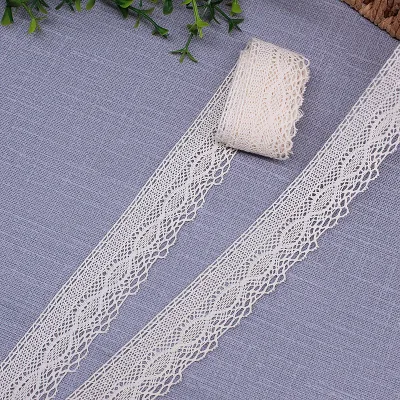
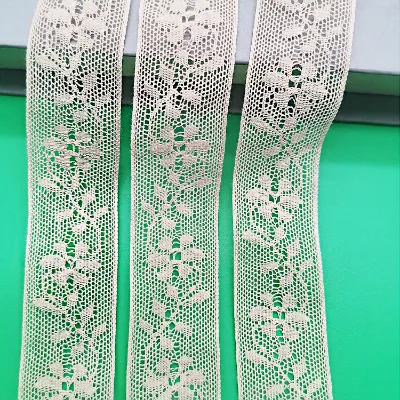
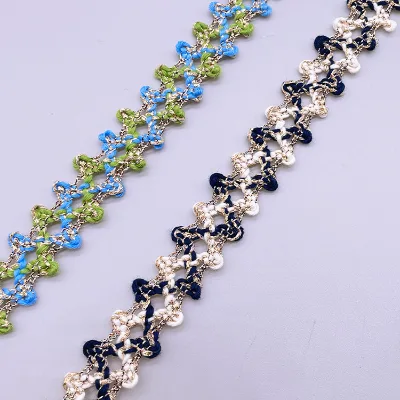
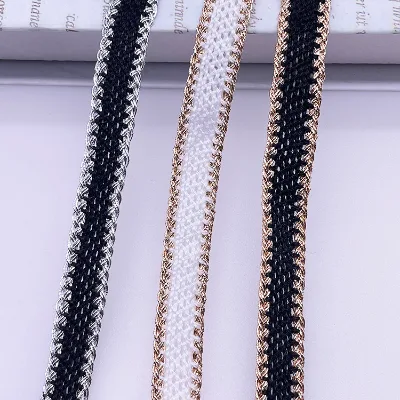
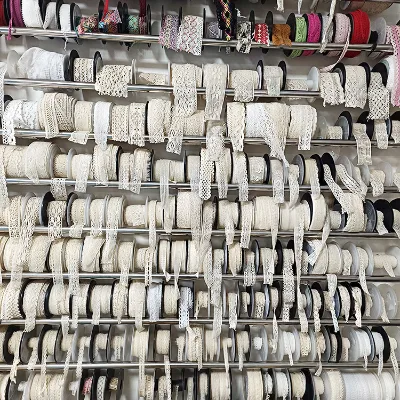


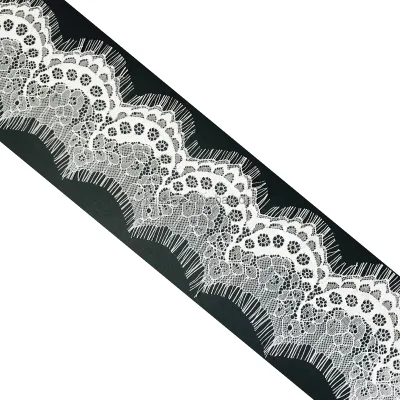



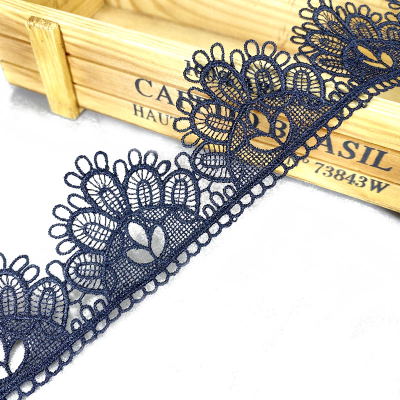
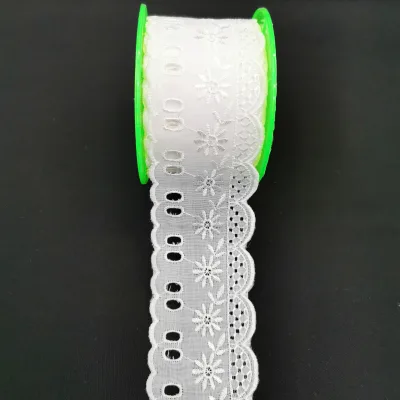
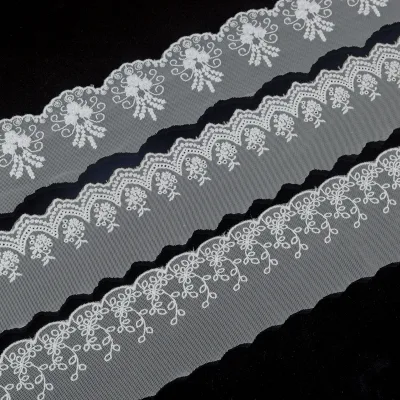
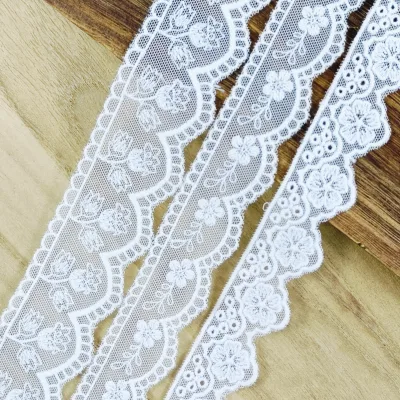


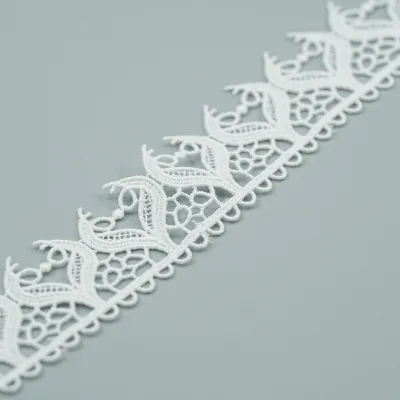

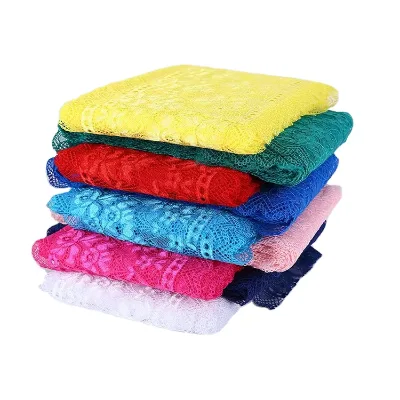
Comprehensive Sourcing Guide
Strategic Sourcing Guide for Embroidered and Woven Lace Trimming
When evaluating the global market for clothing trimming lace, specifically focusing on the "taiwan clothing trimming lace" keyword, buyers must navigate a complex landscape of manufacturing origins and technical specifications. While the search term suggests a specific regional origin, the actual supply chain data reveals a diverse ecosystem where products labeled with similar attributes often originate from major textile hubs in mainland China, such as Zhejiang and Guangdong provinces. The core product category encompasses a wide array of lace types, including French Lace, Solid Lace, and Special Embroidery, all serving the critical function of garment decoration and structural finishing. This guide provides a disciplined framework for sourcing these materials, relying strictly on observed product attributes, technical specifications, and verified supply chain facts to ensure procurement success.
Technical Specifications and Material Composition
The foundation of any successful lace procurement strategy lies in a precise understanding of the material composition and technical construction. The available product data indicates that the primary material for these trims is Cotton, a choice that offers breathability and a natural hand feel suitable for high-end apparel. The production techniques are diverse, with the market offering both Embroidered and Crochet methods. For instance, specific listings highlight "Embroidered" techniques alongside "Knitted Lace" crafts, while other entries specify "Crochet" or "Woven Lace" as the primary manufacturing process. This variation requires buyers to clearly define their aesthetic and functional requirements before engaging with suppliers.
Width specifications vary significantly across the product range, reflecting the need for customization. Observed widths include 2.8cm, 4cm, 4.3cm, 5cm, 6.5cm, and 7.8cm. The ability to request "Any Size as Per Customer Request" is a critical capability for buyers working with unique garment designs. Furthermore, the pattern designs are extensive, ranging from Floral and Geometry to specific motifs like Flowers, Animals, Stars, Hearts, Squares, and Fish. The color production methods are noted as Dyeing or Dyed, allowing for a broad spectrum of color matching. Buyers must verify that the specific width and pattern requested align with the supplier's current production capabilities, as the "prod_model" codes (such as SG, 6011, 7308, or Cotton Lace) often correspond to specific width and design configurations.
Compliance, Certification, and Quality Verification
In the realm of textile sourcing, compliance is not merely a formality but a critical risk management strategy. The supplied product data explicitly mentions "SGS" as a product standard, indicating that at least some suppliers in this category adhere to third-party inspection protocols. However, buyers should not assume universal compliance based on general market trends. While background knowledge often references standards like OEKO-TEX or ISO 9001, these specific certifications are not confirmed in the provided product facts and should not be asserted as standard for every listing. Instead, procurement teams must treat "SGS" as a verified data point for specific models and request current test reports for any other claims.
Quality verification should focus on the "High Quality" advantage frequently cited in product descriptions. This claim must be substantiated through physical sampling. The "Sample Time" is consistently listed as 7 days, which is a manageable turnaround for quality assessment. Buyers should utilize the "Free" sample policy to evaluate the "Lace Craft" integrity, checking for consistency in the "Dobby" or "Floral" patterns and the durability of the "Knitted" or "Woven" structures. It is essential to verify that the "Manual Process" or "Around" techniques used in production do not introduce inconsistencies in the final trim. The "Standard" of SGS provides a baseline, but buyers must ensure that the specific batch they order meets the same rigorous standards as the sample provided.
Cost Drivers and Economic Factors
Understanding the cost structure of lace trimming is vital for budgeting and negotiation. The observed price range in the market is between 0.02 and 1.5 USD per unit, a wide spectrum that reflects differences in material quality, pattern complexity, and production volume. The primary cost driver is the "MOQ" (Minimum Order Quantity), which varies drastically from 1 unit to 50,000 units, with specific listings showing thresholds like 10 Yards, 180 Yards, 200 Yards, and 50,000 units. For smaller orders, the unit cost may be higher due to the setup costs of specialized machinery for "Special Embroidery" or "Crochet" work. Conversely, larger volumes leverage the "OEM Service" capabilities to reduce per-unit costs.
The "Supply Type" is listed as OEM Service, meaning the product is manufactured to the buyer's specifications rather than being off-the-shelf inventory. This customization adds value but also influences pricing. The "Package" options, such as "Small Card" or "PP Bag and Export Carton," also impact the final landed cost. Buyers should calculate the total cost of ownership, including packaging requirements for export, which must be robust enough to protect the delicate lace during transit. The "Export Markets" being "Global" suggests that suppliers are accustomed to international logistics, but the specific "Place of Origin" (Zhejiang or Guangdong) may influence shipping times and freight costs depending on the buyer's location.
Typical Applications and Design Integration
The versatility of the lace trimming allows for integration into a wide range of products. The "Usage" categories explicitly include Clothes, Shoes, Hometextiles, and Garments. Specific applications mentioned include "Nigerian Dress," indicating a cultural and regional demand for these trims in specific fashion markets. The "Occasion" is listed as "Dailylife," suggesting that the lace is suitable for everyday wear rather than just high-fashion or ceremonial events. The "Style" is defined as "Trimming," which confirms its role as an accent or finishing element rather than the primary fabric.
When selecting lace for a specific application, the "Pattern" and "Technics" must align with the garment's function. For example, "Embroidered" lace with "Floral" or "Animal" designs may be preferred for women's dresses, while "Geometry" patterns might suit more modern or unisex apparel. The "Width" is a critical factor; narrower trims (2.8cm) are ideal for delicate edging on cuffs or collars, while wider trims (7.8cm) can serve as decorative panels or inserts. Buyers should ensure that the "Color Production" method (Dyeing) matches the colorfastness requirements of the final garment, especially for items that will undergo frequent washing.
Supplier Evaluation and Operational Capabilities
Evaluating suppliers requires a focus on their operational flexibility and reliability. The data indicates that suppliers offer "Customization" and "OEM Service," which are strong indicators of a capable manufacturing partner. The "Sample" availability is a key metric; a 7-day lead time for a free sample demonstrates efficiency and a willingness to engage with potential buyers. However, buyers must verify the "Production" capacity by checking the "MOQ" flexibility. While some suppliers accept orders as low as 10 Yards, others require 200 or 180 Yards. This variance means that a buyer's order volume must match the supplier's minimum requirements to avoid rejection or premium pricing.
The "Place of Origin" is a significant factor in supplier selection. The data points to "China Zhejiang" and "Guangdong, China" as the primary manufacturing hubs. These regions are known for their dense textile clusters and advanced manufacturing infrastructure. Buyers should verify the specific location of the supplier to assess logistics and communication efficiency. Additionally, the "Product Name" variations, such as "French Lace" or "Solid Lace," suggest that suppliers may have specialized lines. It is crucial to confirm that the specific product model (e.g., 6011, 7308) matches the buyer's design requirements before placing an order.
Quality Control and Long-Term Procurement Strategy
Implementing a robust quality control (QC) process is essential for maintaining product consistency. Given the "High Quality" advantage claimed by suppliers, buyers should establish clear acceptance criteria based on the "Technics" and "Lace Craft." Regular inspections should focus on the uniformity of the "Pattern," the integrity of the "Knitted" or "Woven" structure, and the accuracy of the "Width." The "Standard" of SGS provides a benchmark, but buyers should consider requesting additional testing for colorfastness and tensile strength, especially for garments intended for heavy use.
For long-term procurement, building a relationship with suppliers who offer "Any Size as Per Customer Request" is beneficial. This flexibility allows for design evolution without the need to switch vendors. The "Global" export market presence suggests that suppliers are experienced in handling international orders, but buyers should still verify lead times and shipping terms. The "PP Bag and Export Carton" packaging standard indicates a commitment to safe transport, but buyers should specify any additional packaging needs for retail display. By focusing on verified attributes like material, technique, and customization options, buyers can build a resilient supply chain that delivers high-quality lace trimming consistently.
Comparative Analysis of Product Attributes
To facilitate decision-making, the following table summarizes the key attributes observed in the product data, highlighting the variations buyers may encounter.
| Attribute Category | Observed Options | Key Considerations for Buyers |
|---|---|---|
| Material | Cotton | Verify fiber content for breathability and softness. |
| Technics | Embroidered, Crochet, Knitted, Woven | Match technique to desired texture and durability. |
| Pattern | Floral, Geometry, Animal, Star, Heart, Fish | Ensure design aligns with target fashion aesthetic. |
| Width | 2.8cm to 7.8cm (Customizable) | Confirm width tolerance for precise garment fitting. |
| MOQ | 1 to 50,000 (e.g., 10, 180, 200 Yards) | Align order volume with supplier minimums to optimize cost. |
| Origin | Zhejiang, Guangdong (China) | Assess logistics and communication efficiency. |
| Standard | SGS | Request current test reports to verify quality claims. |
| Sample | Free (7 Days Lead Time) | Utilize samples to validate quality before bulk order. |
This structured approach ensures that buyers can navigate the complexities of the lace trimming market with confidence, relying on verified data rather than assumptions. By focusing on the specific technical and operational details provided, procurement teams can secure high-quality materials that meet their design and business objectives.
FAQs
What materials are used for this lace trimming?
The primary material used for this lace trimming is Cotton, offering breathability and a natural hand feel. Buyers should verify specific fiber content to ensure it meets their garment requirements for softness and durability.
Can I request custom sizes for the lace?
Yes, suppliers offer Any Size as Per Customer Request to accommodate unique garment designs. This customization capability allows buyers to specify exact widths like 2.8cm or 7.8cm without being limited to standard stock sizes.
What is the minimum order quantity for these trims?
The minimum order quantity varies significantly, ranging from 1 unit up to 50,000 units depending on the supplier. Specific listings show thresholds such as 10 Yards, 180 Yards, or 200 Yards for certain models.
How long does it take to receive a sample?
The sample time is consistently listed as 7 days for most suppliers offering free samples. Buyers can utilize this free sample policy to evaluate the lace craft integrity before committing to a bulk order.
Which production techniques are available for this lace?
Available production techniques include Embroidered, Crochet, Knitted Lace, and Woven Lace methods. Buyers must define their aesthetic needs to select between these diverse construction styles for their specific apparel applications.
What certifications do these lace products meet?
The product data explicitly mentions SGS as a verified product standard for specific models. Buyers should request current test reports to verify quality claims rather than assuming universal compliance with other standards like OEKO-TEX.
Where are these lace products manufactured?
The products originate from major textile hubs in China, specifically Zhejiang and Guangdong provinces. This location influences logistics and shipping times, so buyers should verify the specific place of origin for their order.